Rust + RISC-V first
Modern, secure, and futureproof foundations for systems that need control, auditability, and long-term adaptability.
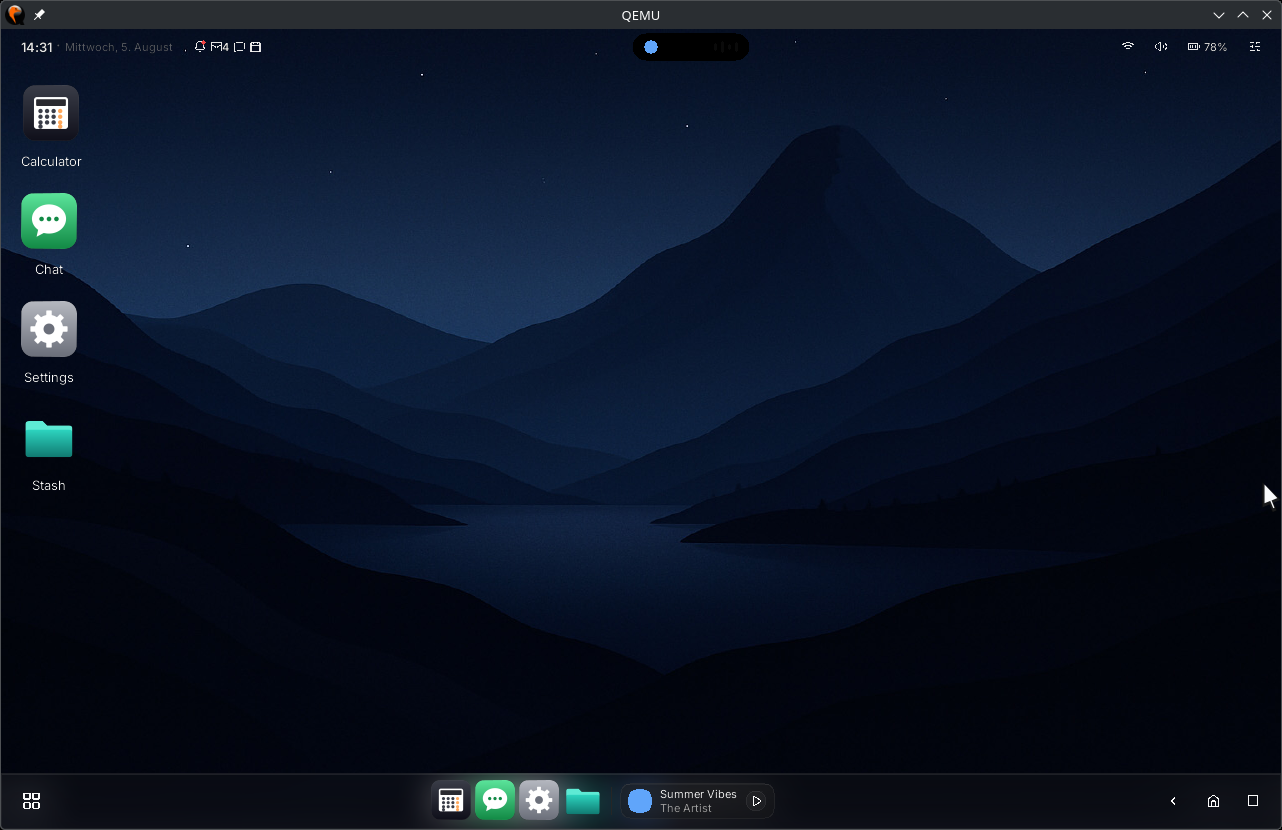
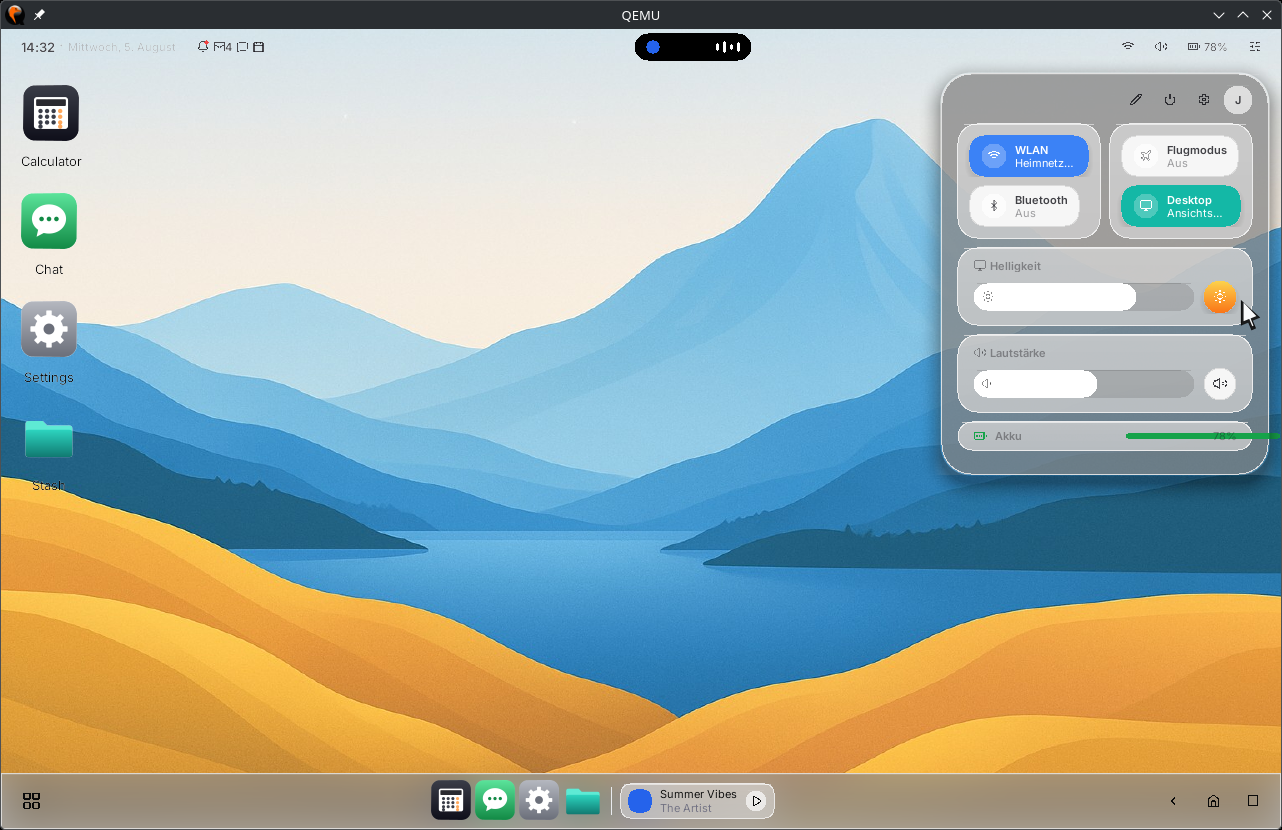
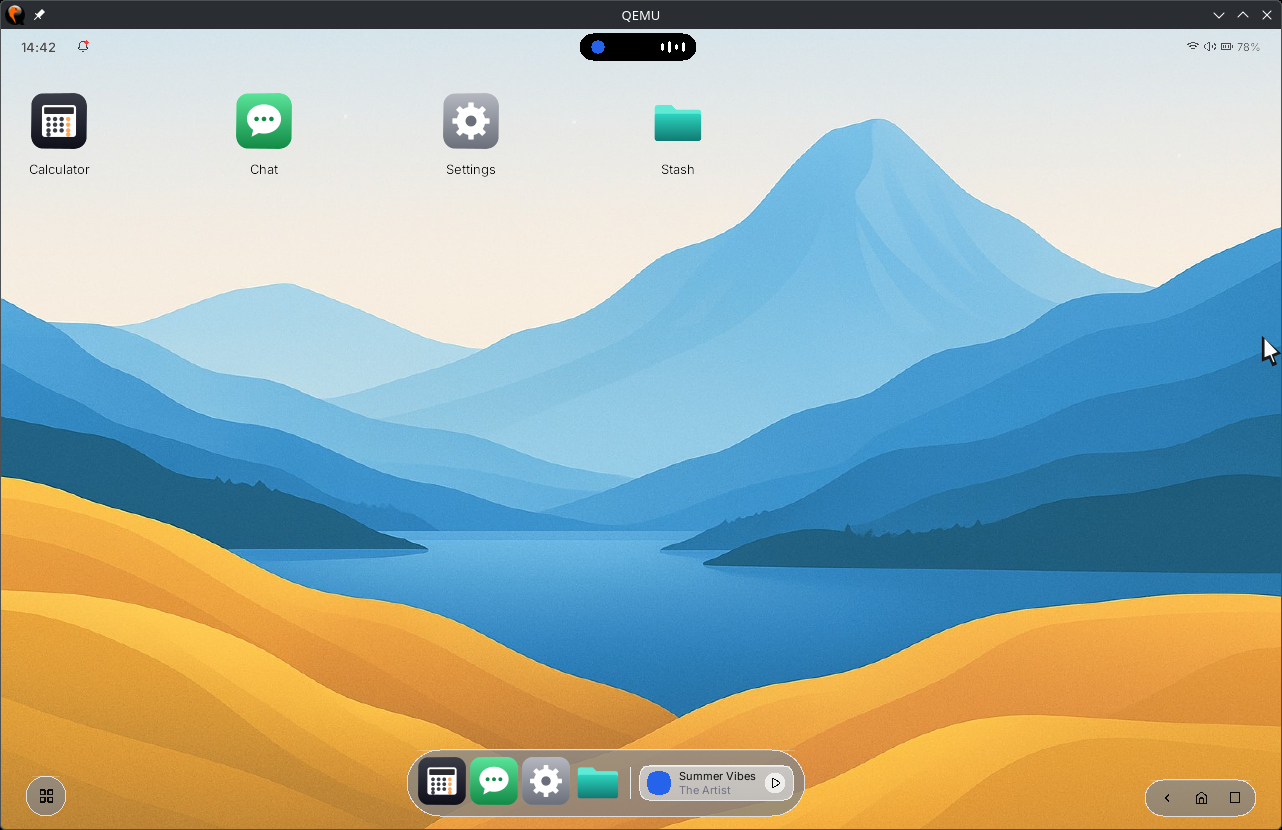
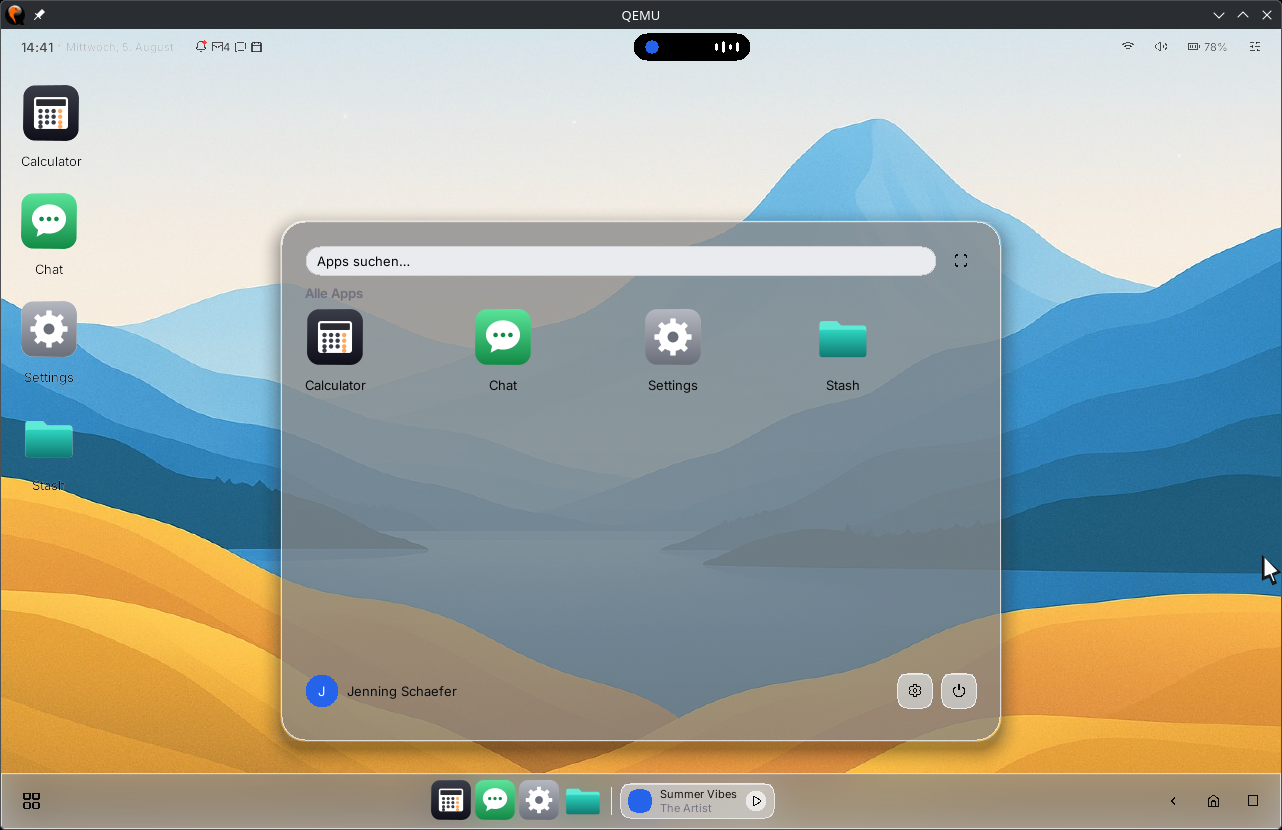
One OS. Many devices. NEURON, our capability-based RISC-V microkernel, keeps the trusted computing base small enough to audit — and drives a GPU-composited desktop that already runs real apps.
A complete reimagining of what an operating system can be.
Modern, secure, and futureproof foundations for systems that need control, auditability, and long-term adaptability.
A capability-based microkernel that enforces security at the architecture level, not in policy layers.
Capability-based isolation and a low-trust design keep the trusted computing base small and explicit.
We start where these properties matter most: industrial HMIs, kiosks, and specialized connected devices.
Modular, hackable, and open by design, with a long-term path toward broader device classes.
Shape the future with a global community. Join us!
All of it boots — in QEMU, on emulated RISC-V, not yet on a board on your desk. That is the honest scope, and it is real code you can clone and run.
What does not exist yet is worth stating just as plainly: there is no power service, no audio service and no notification service. Parts of the shell in our screenshots are deliberately a mockup — we go through exactly which parts on the RISC-V desktop page.
Most systems treat RISC-V as a port target: a third architecture added after x86 and ARM, inheriting assumptions made for hardware that works differently. Open Nexus starts at the other end. There is no compatibility layer to preserve, so the memory model, the trap path and the boot sequence are designed for the architecture rather than adapted to it.
That costs us an existing driver ecosystem. It buys something we think matters more: on an open instruction set, what a device is allowed to do can be decided by its hardware and its owner.
In a microkernel system most code lives outside the kernel — drivers, filesystems, networking and the graphics stack all run as ordinary userspace processes. Rust's compile-time guarantees apply to exactly that majority, and the userspace libraries holding the domain logic are marked #![forbid(unsafe_code)].
This is a position, not a proof. The security posture is capability-based and microkernel-hard in the seL4 tradition, but we are not betting the project on formal verification as a first milestone — and NEURON is not formally verified.